
SELECTED PUBLICATIONS
Books
Bartrop, Paul R., and Samantha J. Lakin. Heroines of Vichy France: Rescuing French Jews During the Holocaust. ABC-CLIO, 2019.
Lakin, Samantha and Laura Bernier. Testimonies: Stories of Refugee Children Rescued to Switzerland During World War II, Swiss Embassy, Washington, D.C. (2013).
Peer Reviewed Journal Articles, Reports, and Op-Eds
Fox, Nicole, Davey, Christopher. P., Hsiao, E. L. Y., Kuradusenge-McLeod, Claudine, Lakin, Samantha J., Rafferty,
Judith, & Wolfe, Stephanie. “Lessons from the Field: Experts Weigh in on Years of Conducting Fieldwork in Post-Atrocity Zones.” Journal of Genocide Research, 27(2), 261–280. (2025). https://doi.org/10.1080/14623528.2025.2500140
Lakin, Samantha. “The Global Challenges of Defining Genocide: Responses to Renewed Debates.” UN Chronicle.
October 10, 2024. https://www.un.org/en/un-chronicle/global-challenges-defining-genocide-responses-renewed-debates
Lakin, Samantha. “Language, Identity, and Power in International Assistance Missions.” Fletcher F. World Aff. 46 (1) (2022).
Matheson, Jawad, Lakin, Ma, Tomeh, Tun, Yacouba, and Zan. Search for Common Ground. (2021). Principles for Peace: Local Insights on Building Lasting Peace, 1st ed. Washington DC: Search for Common Ground.
Lakin, Samantha. “Redefining Justice: How Local Perspectives of Genocide Memory Inform Policy and Practice in Rwanda,” Georgetown Journal of International Affairs (2020), https://gjia.georgetown.edu/2020/06/12/redefining-justice-how-local-perspectives-of-genocide-memory-inform-policy-and-practice-in-rwanda/.
Lakin, Samantha. “Lessons from the UN peacekeeping mission in Rwanda, 25 years after the genocide it failed to stop.” The Conversation, September 5, 2019. https://theconversation.com/lessons-from-the-un-peacekeeping-mission-in-rwanda-25-years-after-the-genocide-it-failed-to-stop-122174
Lakin, Samantha. “Rwandans discuss how best to commemorate genocide.” The Conversation, April 6, 2018. https://theconversation.com/rwandans-discuss-how-best-to-commemorate-genocide-94452.
Lakin, Samantha. “Symbolic Justice in Rwanda: An Analysis of Local Perspectives,” CODESRIA Journal of Identity, Culture & Politics: An Afro-Asian Dialogue. Vol. 17, No. 1, (July 2016): 38–59.
Lakin, Samantha. “Let us be heard”: Burundi’s refugees tell stories of ethnic targeting.” African Arguments, February 3, 2016. https://africanarguments.org/2016/02/let-us-be-heard-burundis-refugees-tell-stories-of-ethnic-targeting/.
Lakin, Samantha and Albert Gasake. “Justice in Rwanda: Analyzing the ICTR and Symbolic Justice Mechanisms After the 1994 Genocide” International Bar Association, Human Rights: Mass Atrocities, and Transitional Justice, Vol. 2:1, March 2015.
Lakin, Samantha and Jonathan R. Beloff, “Leadership mindsets: The social and political development of the Rwandan Patriotic Front (RPF) of the past twenty years,” Journal of African Union Studies 3, 2 (2014): 47–67.
Chapters in Edited Volumes
Lakin, Samantha “Memory and Victimhoods in Post-Genocide Rwanda: Legal, Political, and Social Realities,” in Narratives of Mass Atrocity: Victims and Perpetrators in the Aftermath, ed. Sarah Federman and Ronald Niezen, (Cambridge University Press, 2022). DOI: https://doi.org/10.1017/9781009110693.009
Lakin, Samantha and Charity Wibabara, “Transitional Justice in the Wake of the Rwandan Genocide: The contribution of criminal trials and symbolic reparations to reconciliation,” in Memory, Justice, and Recovery in the Shadow of Genocide, ed. Stephanie Wolfe, (Routledge, 2022).
Lakin, Samantha. “Where is the Truth? An Analysis of Sierra Leone’s Truth and Reconciliation Commission,” in Victims and Post-Conflict Justice Mechanisms in Africa, ed. T.O. Hansen, (LawAfrica, 2017).
Book Reviews
Lakin, Samantha. “Review of Negotiating Genocide in Rwanda: The Politics of History by Erin Jessee.” Oral History Forum d’histoire orale 37(2017), ISSN 1923-0567.
Lakin, Samantha. “Review of United States Law and Policy on Transitional Justice: Principles, Politics, and Pragmatics by Zachary D. Kaufman.” Human Rights Quarterly, Vol. 39, February 2017.
PARTNERSHIPS
NEW ENGAGEMENTS!
Atrocity Prevention Lab @Harvard Humanitarian Initiative Steering Committee
The Atrocity Prevention Lab is a project to strengthen innovation, collaboration, and impact of atrocity and conflict prevention work through the integration of spatial methods and technologies. Launched in 2023, this project was established by the Signal Program on Human Security and Technology at the Harvard Humanitarian Initiative.
Two summaries of my work and involvement!
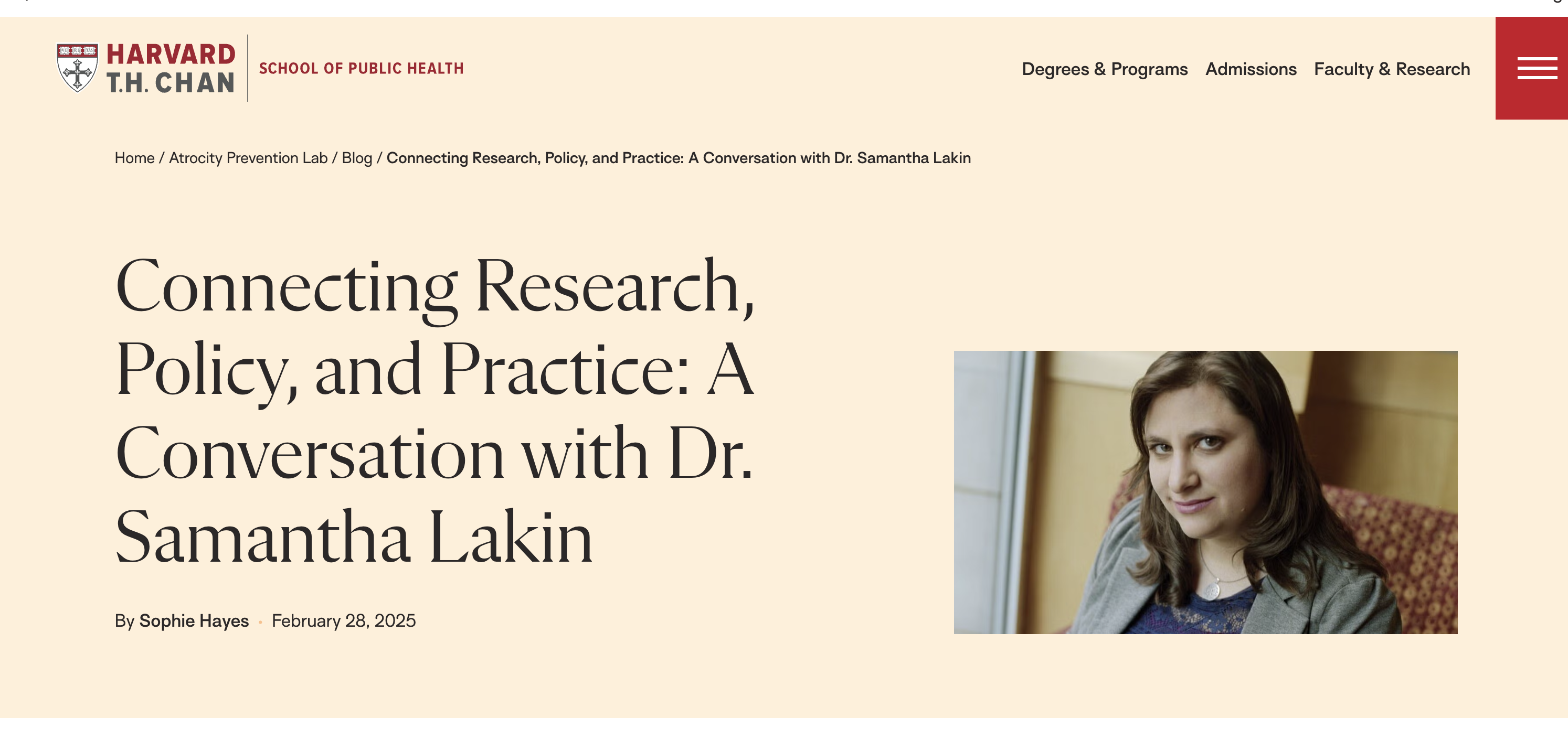
Connecting Research, Policy, and Practice: A Conversation with Dr. Samantha Lakin
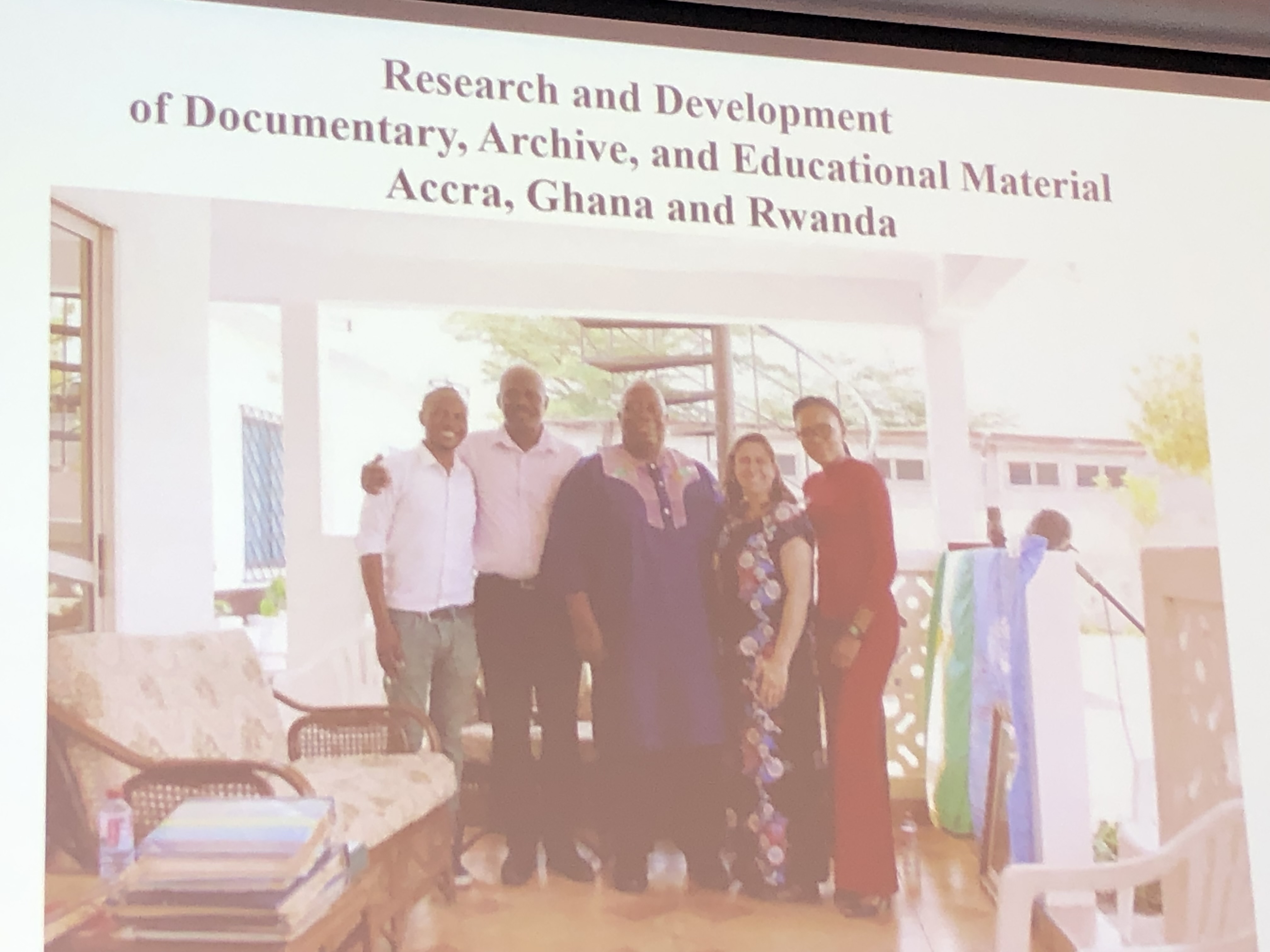
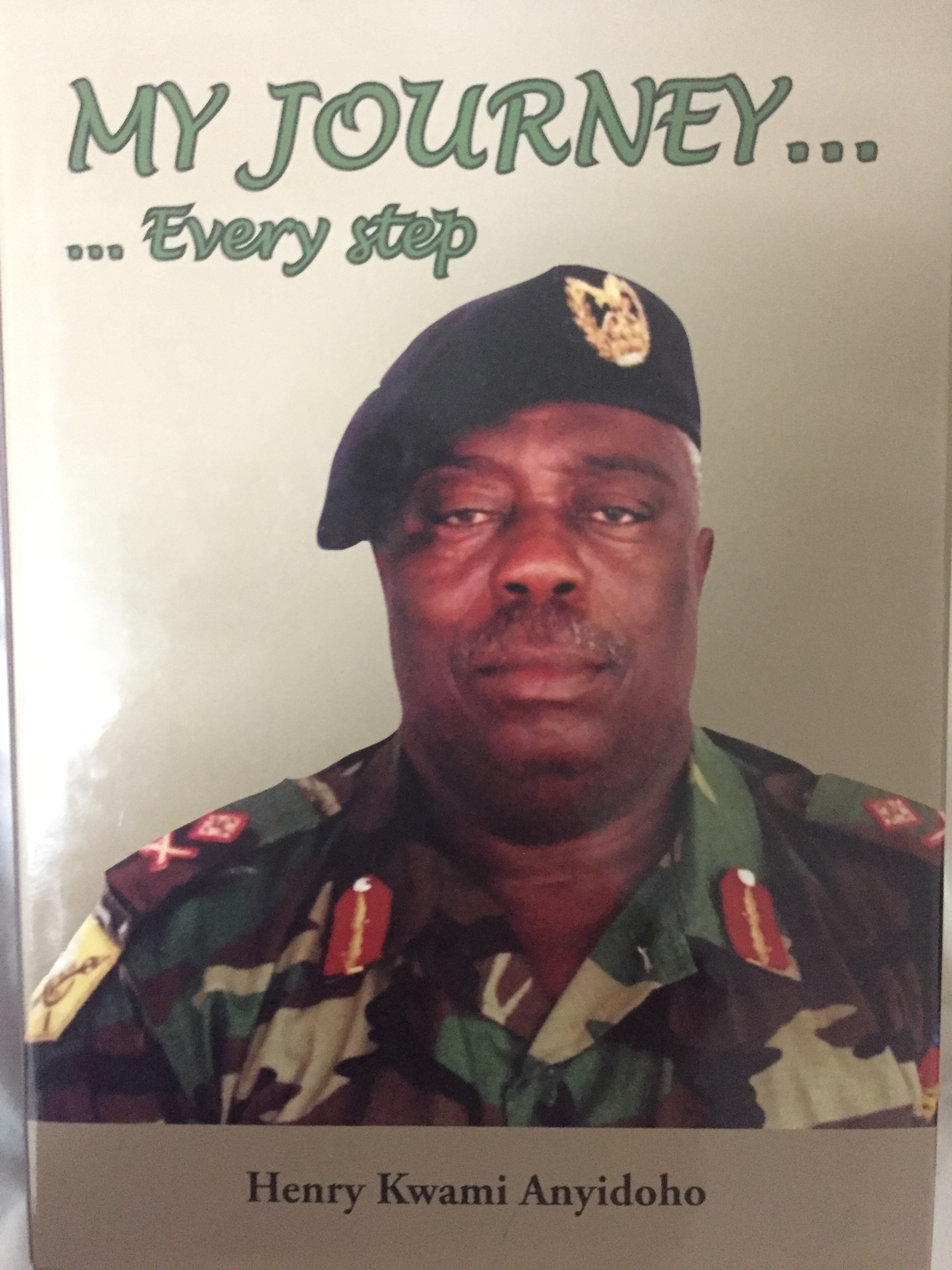
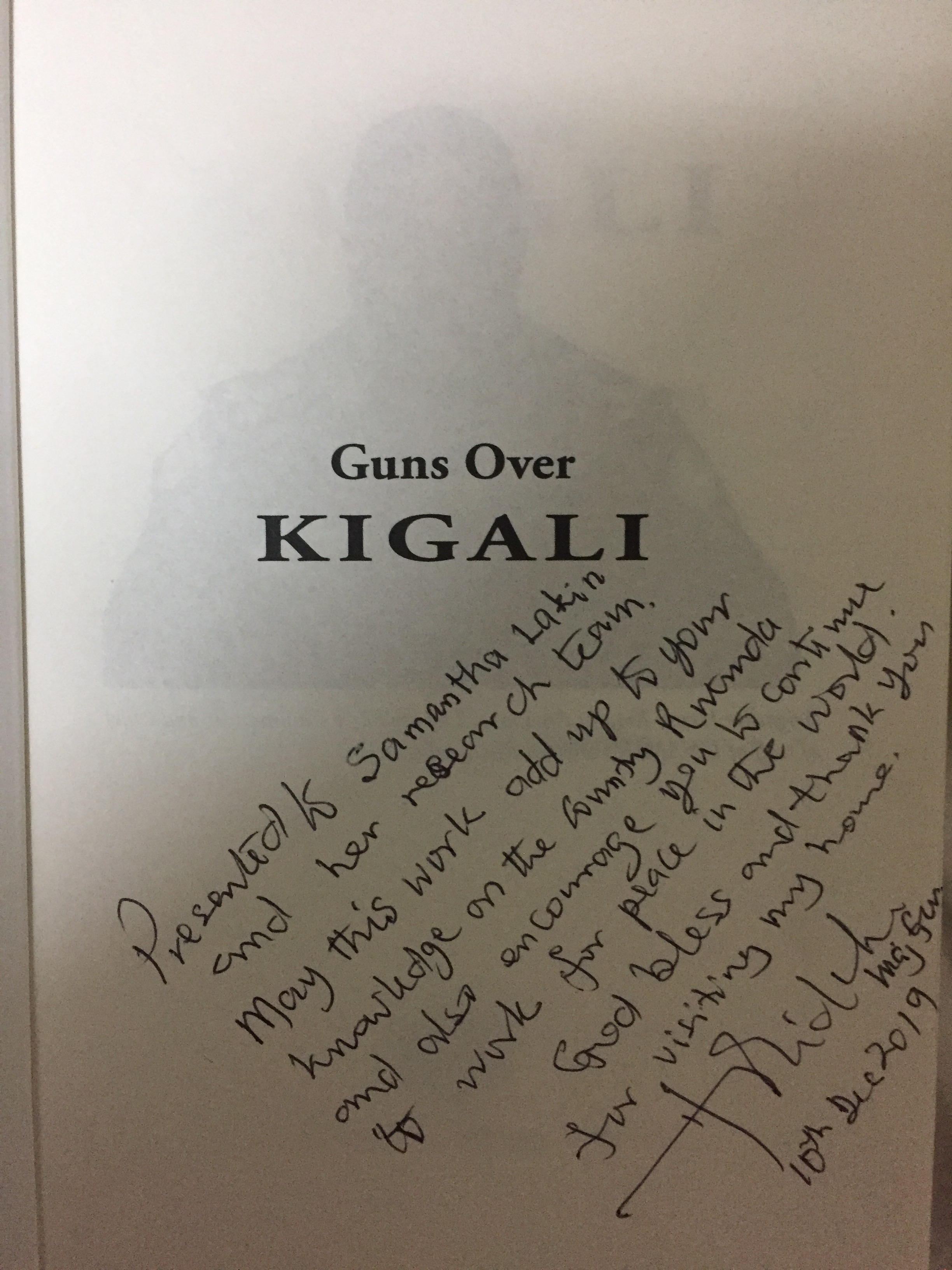
“MEMOIRS OF A CONTINGENT”
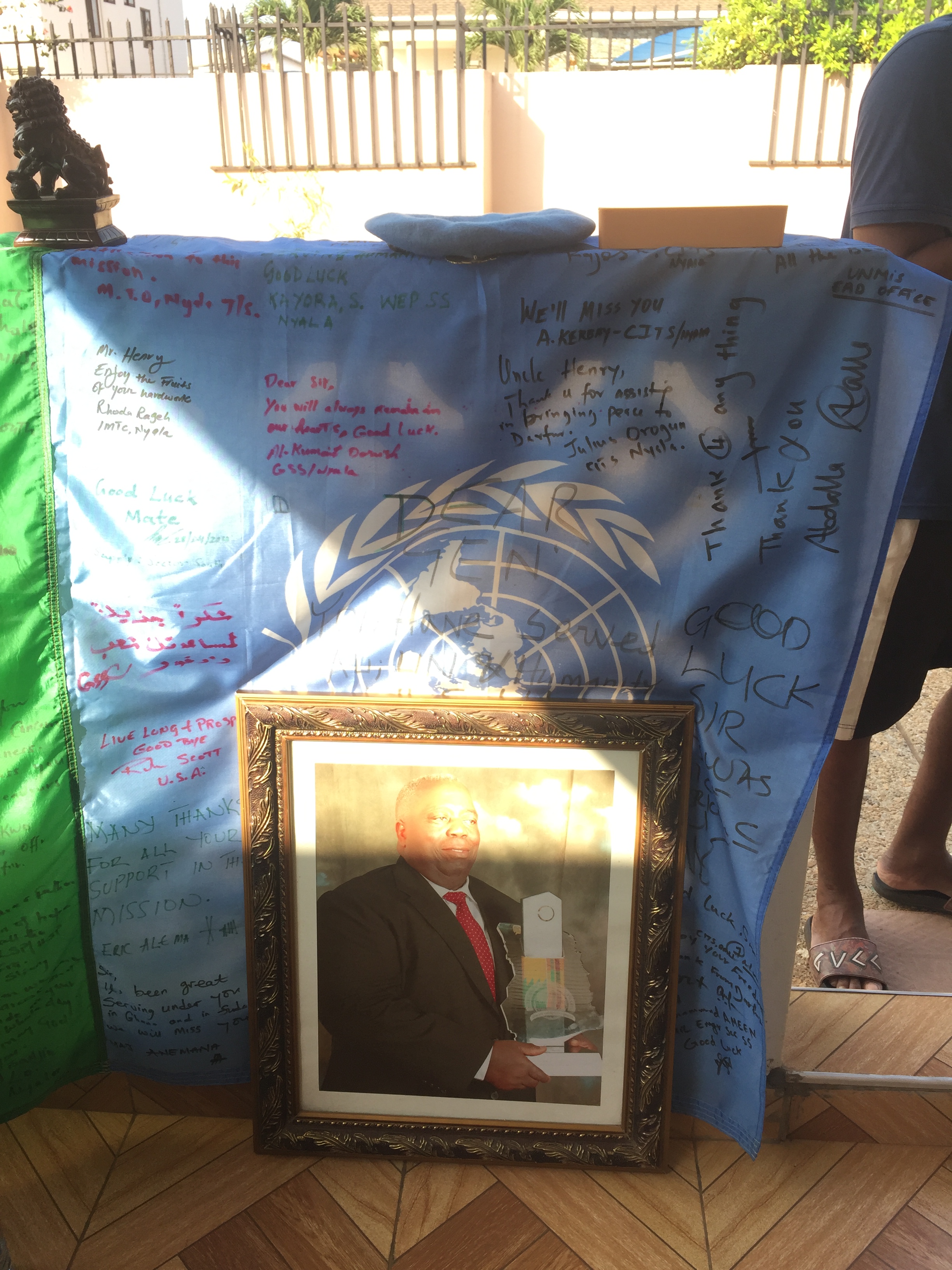
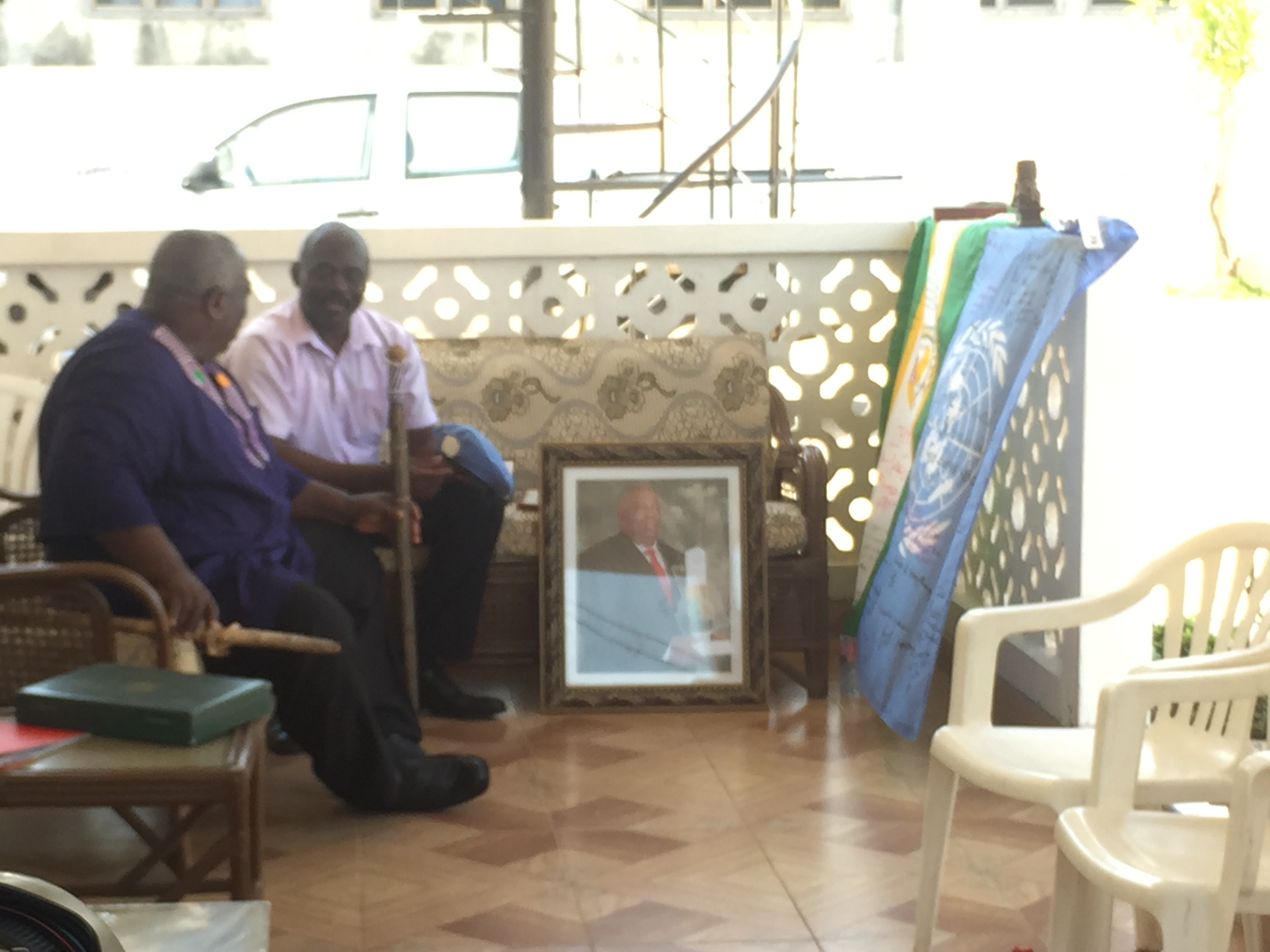
Documentary Film about Ghanaian peacekeepers who risked their lives and stayed in Rwanda when the genocide broke out in 1994, even when the UN force was reduced.
Ife Institute of Advanced Studies (IIAS)
Ile-Ife, Nigeria
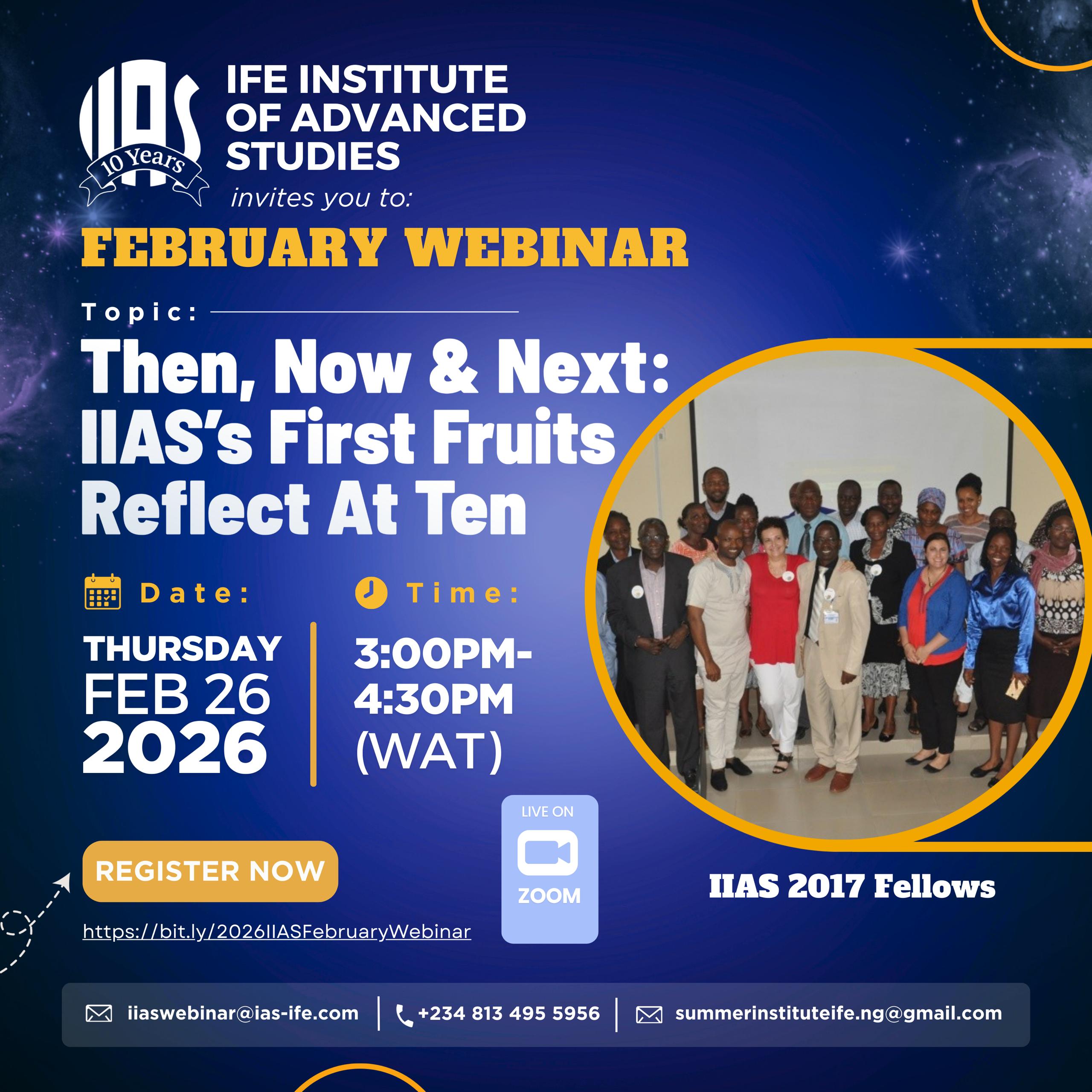
Proud member of the Pioneer (first) cohort of the IIAS (2017). The IIAS Birthed in 2017, Institute of Advanced Studies, Ile-Ife, Nigeria is an independent non-profit, non-governmental organization registered with the Corporate Affairs Commission, Nigeria, and is committed to advancing research for development in Africa.
Keynote Speaker, Millennium Campus Conference (MCC17) for youth leaders
Rabat, Morocco, November 16-19, 2017


Trained over 200 youth leaders in the UN Sustainable Development Goals, support ongoing Millenium Campus Network activities when needed.
 (Photo Credit: Laura Bernier)
TESTIMONIES/TEMOIGNAGES: Stories of Refugee Children Rescued to Switzerland During World War II
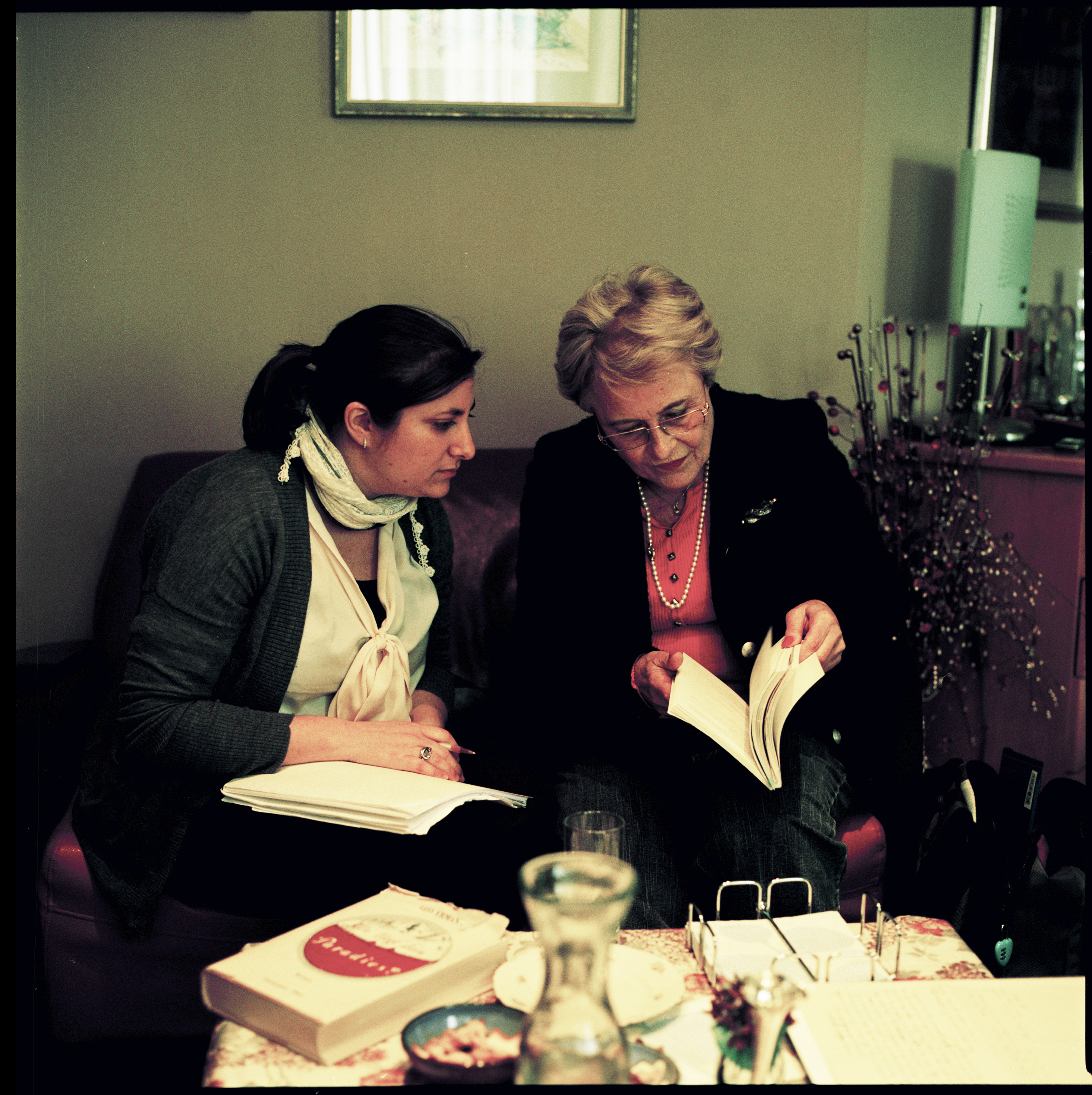
Fulbright scholars Samantha Lakin and Laura Bernier were invited by the Swiss Embassy in Washington DC to publish an essay and photo book of their historical and documentary research about Jewish children rescued to Switzerland during World War II. The Swiss Embassy has used Samantha and Laura’s book for education in over 100 embassies and consulates around the world. The book consists of historical information about the rescue efforts during WWII, detailed accounts of field research in Europe and Israel, and capturing professional photographs that bring the story to life.
As an academic in comparative genocide, my appreciation for the necessity and challenge of working directly with survivors of mass violence developed during my research as a Fulbright scholar (2011-2012). Over the course of 15 months, I interviewed 70 Holocaust survivors who were rescued as children to Switzerland during World War II. I analyzed historical information in five national archives regarding the infrastructure created to care for these refugee children. Listening to the stories of survivors transformed me from researcher to historical witness. After the interviews, I noticed how careful collection of testimonies would reassure survivors that their stories could help aid recovery in their communities.
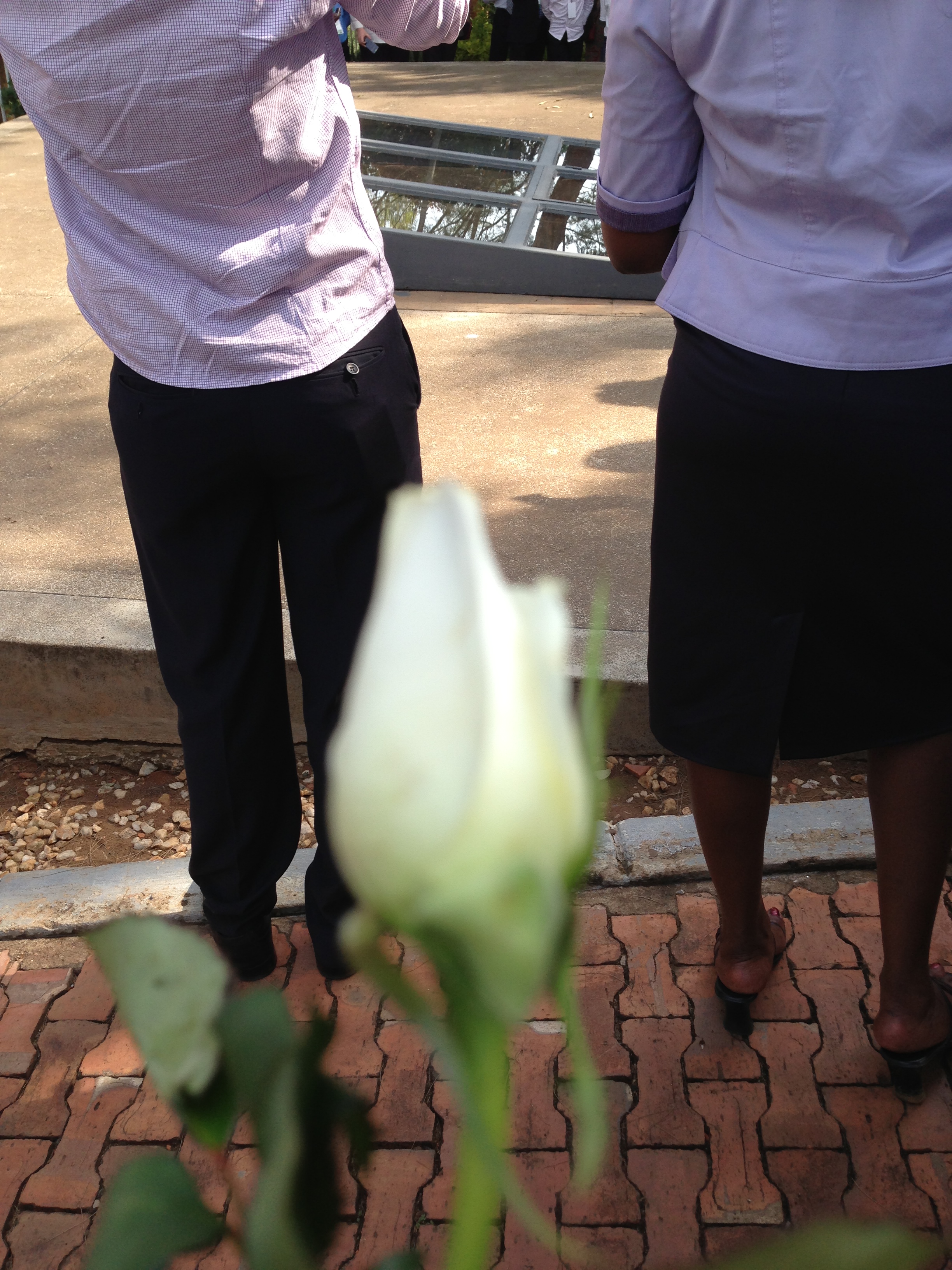
Memorializing Genocide in Rwanda: Perspectives from Governmental, Communal, and Personal Memorial Practices
Kigali Genocide Memorial and National Memorial Sites in Rwanda
Similar experiences arose during my Master’s fieldwork at the Fletcher School of Law and Diplomacy. I had the privilege of performing research in Rwanda at the Kigali Genocide Memorial and several other memorial sites, where I applied the knowledge I had attained through Master’s level coursework in comparative history to design thesis research. I used my expertise in econometrics to analyze 170 surveys of museum visitors. In addition, I interviewed 20 Rwandan memorial guides and leaders of survivor organizations. My Master’s thesis analyzed three main components: first, how memorials can best create a space for dialogue for survivors to explore their histories with violence; second, the educational value of memorial sites for children of survivors; and third, international visitor attitudes regarding narratives of extreme violence. Whereas some survivors share their stories during commemoration periods, others subordinate their individual narratives to adopt the official state discourse being created in Rwanda.
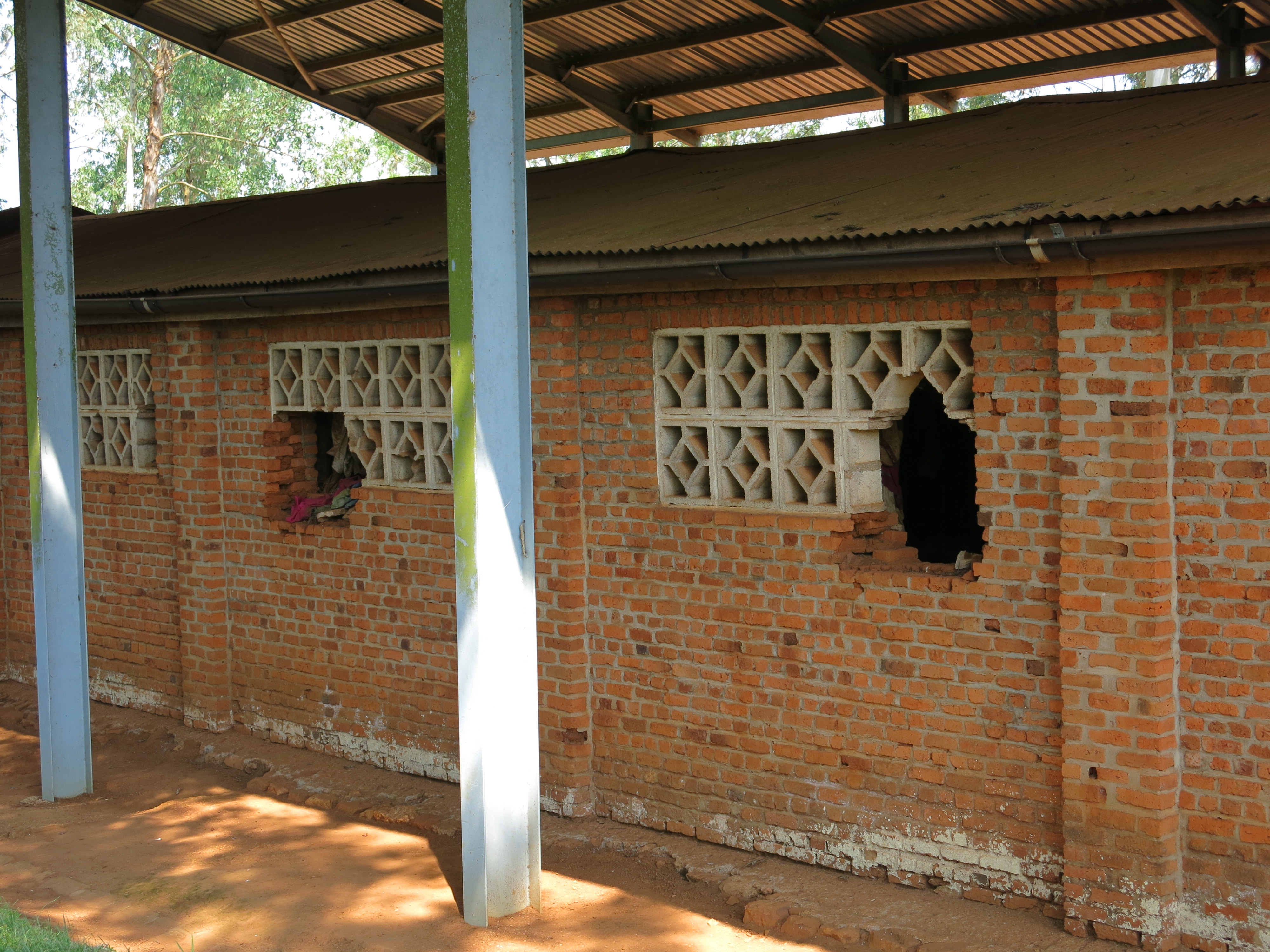
Commonwealth Secretariat London and Insight on Conflict
Invited to share a photo essay with visitors at the Commonwealth Secretariat London in December 2013, as part of an exhibit on memorialization and mass atrocities. The photos were about different local perspectives on peacebuilding after genocide in Rwanda. Here is the link to the photo essay on Insight on Conflict’s Blog.
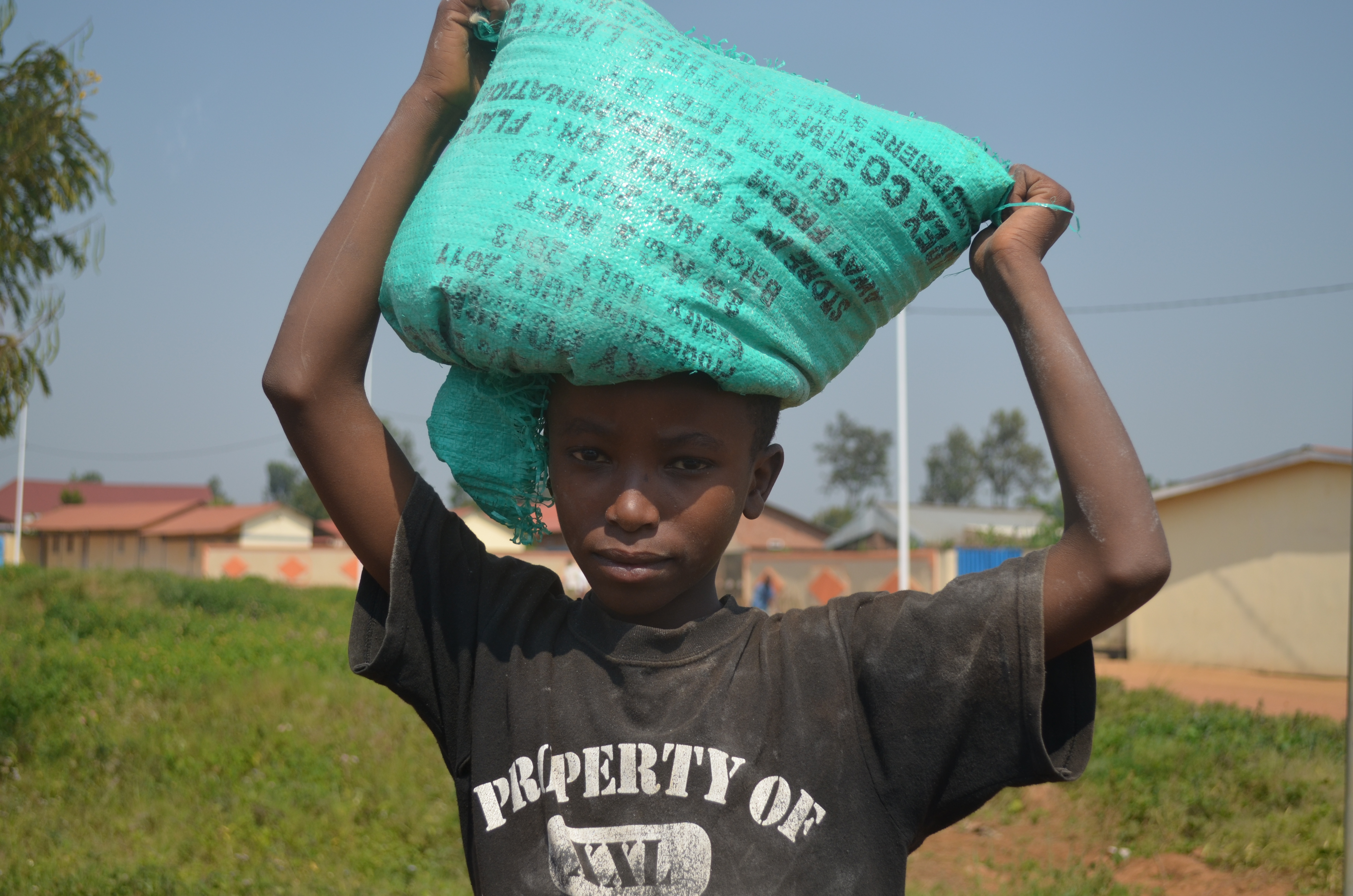
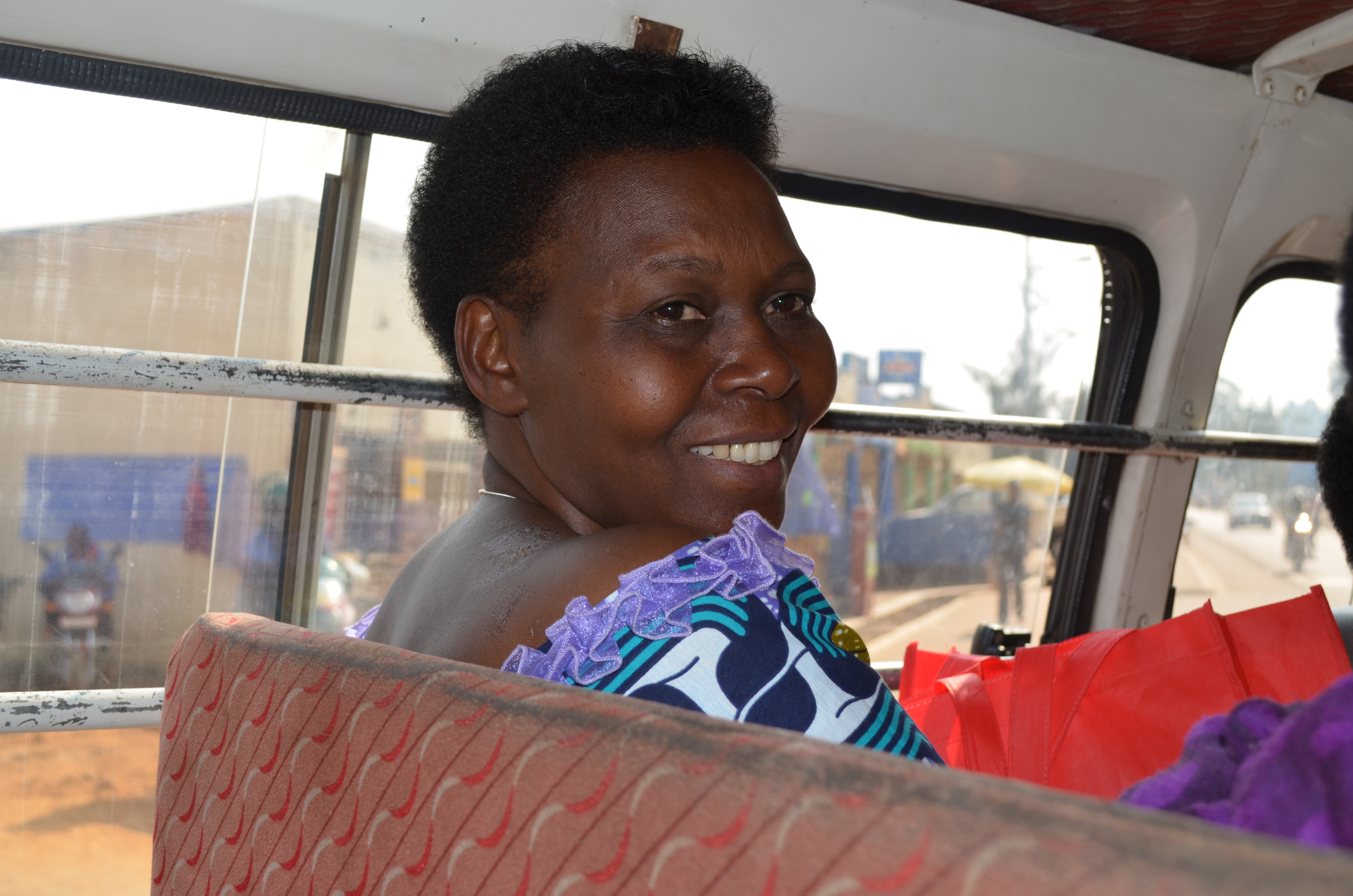
Survivors Fund (SURF)- Board of Trustees
In 2015 I was invited to serve on the Board of Trustees for Survivors Fund, a UK-based NGO dedicated to serving genocide survivors in Rwanda.
Affiliations
- Fulbright Association
- International Peace Research Association (IPRA)
- International Society of Political Psychology (ISPP)
- International Association of Genocide Scholars (IAGS)
- American Historical Association
- African Studies Association (ASA)
- Fletcher Women’s Network
Select Authorship-Social Media
- Rwandans discuss how best to commemorate genocide- The Conversation
- At the Mythological Center of the World, A Unique Pedagogical Initiative Launches in Nigeria, Huffington Post, August 3, 2017
- Q&A with Samantha Lakin: Lessons in Preventing Genocide in Africa since Rwanda By the Africa Center for Strategic Studies April 7, 2017
- Israel in Africa: Not Just Opportunism, World Policy Institute Blog, July 22, 2016
- Let Us Be Heard: Burundi Refugees Tell Stories of Ethnic Targeting, African Arguments, February 3, 2016
- From Kigali to Cooperstown: The First Retreat of Rwandan Genocide Survivors Living in America
- “Keeping the focus on responding to victims: A response to the Human Security Report 2012,” World Peace Foundation Blog (March 2013)
- “Impunity Watch: Cases of Gender and Post-Conflict Transitional Justice,” Auschwitz Institute (May 2013)
- “Responding to at-risk young people in Rwanda,” Insight on Conflict Blog (June 2013)
- “20 years after the genocide, how are Rwandans rebuilding?” Insight on Conflict Blog (October 2013)
- “Reflection on Murambi and National Memorial Sites in Rwanda,” PROOF: Media for Social Justice (August 2013)
- “Memorializing Mass Atrocities: Teachings from Survivors’ Testimony,” Justice Africa, (December 2012)
Select Conference and Public Presentations
• Atrocity Prevention Lab at Harvard Humanitarian Initiative. Keynote for APL Webinar Series. Knowledge Commons and Global Practices for Atrocity Prevention. (November 2025).
• International Association of Genocide Scholars Conference. Lessons from the Field: Experts Weigh in on Years of Conducting Fieldwork in Post-Atrocity Zones. (October 2025)
• Alliance for Peacebuilding, Prevention and Protection Working Group Briefing. Lessons from the Field: Experts Weigh in on Years of Conducting Fieldwork in Post-Atrocity Zones. (June 2025)
• African Studies Association (ASA) Annual Conference. Film Screening and Analysis: UPSTANDING (Rwanda) (November 2023)
• Ethics and risk assessment in International Relations research: Questioning, Evaluating, and Improving Institutional Reviewing of Research Ethics and Risk. Roundtable Presenter. International Studies Association (ISA) Annual Conference. (March 2023)
• An Empirical Analysis of Memory and Justice in Post-Genocide Rwanda. University of Massachusetts Boston. Conflict Resolution Colloquia Speaker Series. (March 2023)
• Kwibuka: Divergent Memories and Quests for Justice in Post-Genocide Rwanda. Invited Guest Lecture at Harvard University by Professor Gloria Ayee. Course Title: “Transitional Justice and the Politics of Truth Commissions.” (November 2022)
• Negotiating Justice in the Immediate Post-Genocide Period in Rwanda. New Findings in the Field of Negotiation. Program on Negotiation at Harvard Law School. (June 2020)
• Memoirs of a Contingent: UN Peacekeepers in Rwanda. 1994, Lecture with Major (ret.) Peter Sosi, Ghana Armed Forces. Military Officers Association of America (MOAA) meeting, New Jersey. (January 2020)
• Cultures of Memory and Meaning in Traditional and Post-Genocide Rwanda. University of Cambridge, UK. World History Workshop. (March 2019)
• Divergent Memories and Quests for Post-Genocide Justice in Rwanda, Walter Rodney Seminar Series. Boston University African Studies Center. (February 2019)
• Constituting Justice: Compromises of Peace and Justice in the Cases of Rwanda and Burundi. Yale University MacMillan Center Genocide Studies Program. (February 2019)
• Designing Gender-Sensitive Research: Practical Basics from Applied Research. 4th Conference on Gender and International Relations, The Fletcher School, Tufts University. (November 2018)
• Narratives of Symbolic Violence: Finding Meaning Amid Unspeakable Violence. Oral History Association Conference, Montreal, Canada. (October 2018)
• Memory Cultures in Post-Conflict Societies. DAAD-funded workshop at Makerere University. Kampala, Uganda. (April 2018)
• Practical Implications of the Holistic Nexus Between Juridical and Non-Juridical Transitional Justice Measures: The Case of the Great Lakes Region of Africa. Tumaini University Makumira Faculty of Law. Arusha, Tanzania. (February 2018)
Videos and Podcasts
- This Is My Era: the Podcast
- RealTalk USA with Samantha Lakin
- African Studies Association Interview with Patricia Agupusi, Brown University
- Exploring Stories of Genocide and Justice after Conflict | Samantha Lakin | TEDxFulbrightSantaMonica
- Samantha Lakin: “From Genocide to Dignity and Justice” | Talks at Google
- Frank Islam Athenaeum Symposia: Samantha Lakin
 Samantha Lakin, Ph.D.